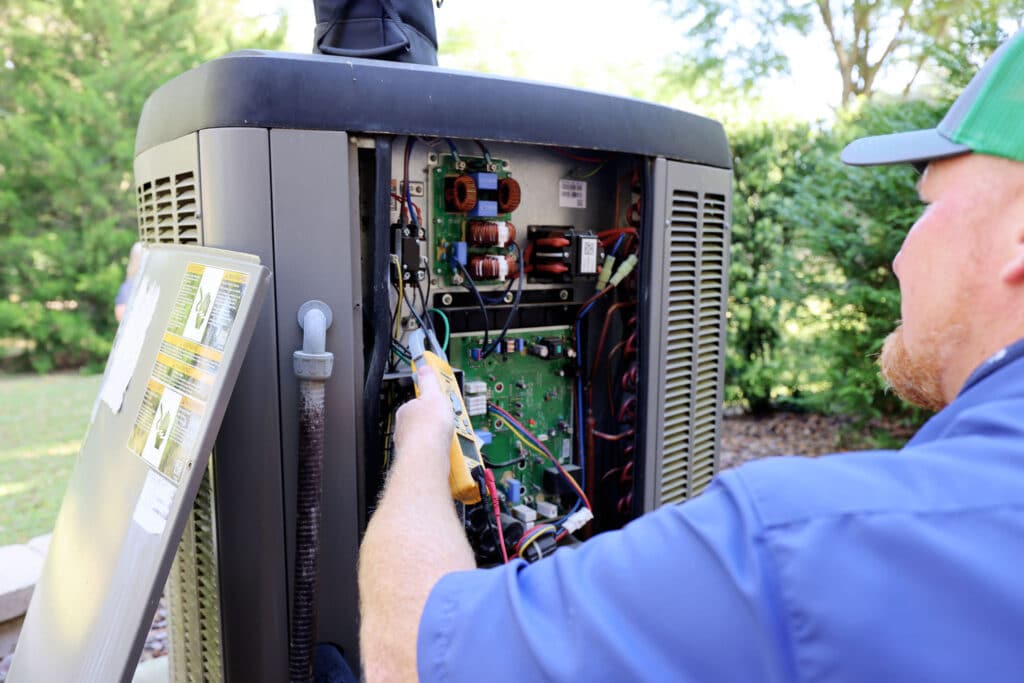
Furnace Repair Cost Near Me: A Quick Local Estimate
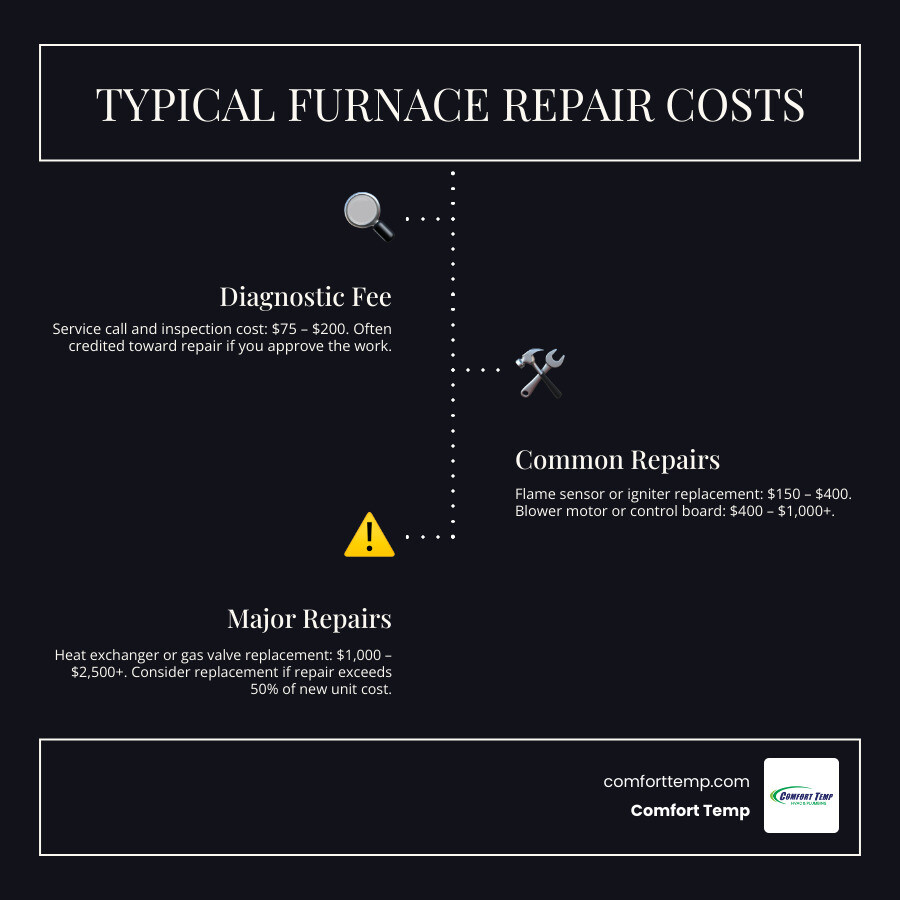
For a Gainesville homeowner, furnace repair commonly costs about $150 to $700, plus a diagnostic or service-call fee that may run $75 to $200. Small fixes, such as a flame sensor or igniter, are often less expensive. Major repairs, including a blower motor, control board, or heat exchanger, can cost $1,000 or more.
Your final price depends on the failed part, furnace age, labor rates, parts availability, and whether you need service after hours. Ask whether the diagnostic fee will be credited toward the repair before approving work.
Learn more about furnace repair cost near me:
Understanding Average Furnace Repair Cost Near Me
When unexpected winter chill sweeps through North Central Florida, a sudden heating malfunction can quickly disrupt your home’s comfort. Across the United States, national benchmarks place the typical furnace fix between $170 and $735, with a median cost of roughly $350 according to verified home improvement cost data. However, broad national figures do not always reflect regional labor markets, seasonal demand spikes, or the unique mechanical requirements of your specific system.
Locally, homeowners in Gainesville and surrounding communities like Newberry, Alachua, and High Springs typically see overall repair bills range from $150 for straightforward minor corrections to upwards of $2,000 for critical component failures. For an in-depth walkthrough of local heating systems, our comprehensive furnace repair guide details what homeowners should expect when scheduling professional service.
Component Breakdown: Estimating Furnace Repair Cost Near Me
The single largest factor in your final invoice is the specific part that failed. A furnace contains complex mechanical, electrical, and gas safety controls that must work together seamlessly. You can explore potential expense ranges using an online furnace repair calculator to gauge your budget, or review the common component pricing outlined below:
| Furnace Component / Repair Type | Typical Part Cost | Estimated Labor & Installation | Total Expected Cost Range |
|---|---|---|---|
| Flame Sensor Cleaning / Replacement | $15 – $40 | $75 – $180 | $90 – $220 |
| Hot Surface Igniter Replacement | $30 – $90 | $100 – $200 | $130 – $290 |
| Thermostat Replacement | $30 – $250 | $75 – $150 | $105 – $400 |
| Pressure Switch / Safety Limit | $40 – $100 | $100 – $180 | $140 – $280 |
| Gas Valve Assembly | $100 – $300 | $150 – $300 | $250 – $600 |
| Integrated Control Board | $150 – $450 | $150 – $350 | $300 – $800 |
| Standard Blower Motor (PSC) | $150 – $350 | $200 – $400 | $350 – $750 |
| Variable-Speed Blower Motor (ECM) | $400 – $900 | $250 – $500 | $650 – $1,400 |
| Draft Inducer Assembly | $150 – $400 | $150 – $300 | $300 – $700 |
| Primary/Secondary Heat Exchanger | $600 – $1,800 | $600 – $1,400 | $1,200 – $3,200 |
Minor safety devices like flame sensors and igniters are affordable fixes, whereas advanced components like ECM variable-speed blower motors and heat exchangers require substantial part investments and extensive labor.
Service Call Rates and Diagnostic Fees
A standard heating repair begins with a comprehensive diagnostic inspection. HVAC contractors charge a trip charge or diagnostic fee ranging between $75 and $200 to cover the cost of dispatching a fully stocked service vehicle and an experienced technician to your property.
During this initial visit, the technician evaluates electrical continuity, tests safety switches, inspects the combustion chamber, and diagnoses error codes. Many reputable companies apply or credit this diagnostic fee directly toward the total cost of the approved repair, reducing out-of-pocket costs for homeowners. Standard business hourly labor rates across North Central Florida range from $75 to $150 per hour.
Major Factors That Impact Your Heating Repair Estimate
No two heating systems break down under identical circumstances. When evaluating heating repair estimates, several underlying variables shape the total invoice:
- Fuel Source and Configuration: Gas furnaces feature complex gas valves, manifold assemblies, and venting safeguards that require specialized diagnostic tools, whereas electric furnaces utilize simpler heating element banks and sequencers.
- Parts Accessibility and Placement: Systems installed in tight utility closets or awkward attic spaces require additional labor hours to dismantle and service compared to easily accessible units.
- OEM vs. Generic Aftermarket Parts: Original Equipment Manufacturer (OEM) components preserve original factory performance ratings and warranty terms, though they generally cost more than generic universal replacements.
- Contractor Licensing and Credentials: Always hire licensed, insured technicians. Working with vetted heating contractors protects your equipment, maintains safety code compliance, and prevents costly improper installations.
What Factors Increase Emergency Furnace Repair Cost Near Me?
When temperatures plummet unexpectedly, heating breakdowns become urgent safety matters. Emergency service requests outside standard operational hours—including late nights, weekends, and major winter holidays—incur premium labor charges.
Emergency dispatch fees generally range from $100 to $300, and hourly labor rates frequently carry a 1.5x to 2x multiplier. If a unique component is obsolete or out of local stock, expedited rush shipping fees may also apply. If your heating fails unexpectedly in cold weather, review our guide to emergency heating repair assistance to learn how to keep your home safe while waiting for a technician.
System Age, Brand, and Warranty Status
The age of your equipment plays a major role in parts pricing. If your heating system was registered within the past 5 to 10 years, it may still be covered under an active manufacturer parts warranty, eliminating the cost of the replacement component and leaving you responsible only for professional labor and diagnostic trip charges.
However, once a system surpasses 12 to 15 years, replacement parts become scarce, obsolete, or substantially more expensive. Furthermore, older units that suffer cracked primary or secondary heat exchangers often present financial and safety hurdles that make complete replacement far wiser than repair.
Repair vs. Replace: Making the Right Financial Decision
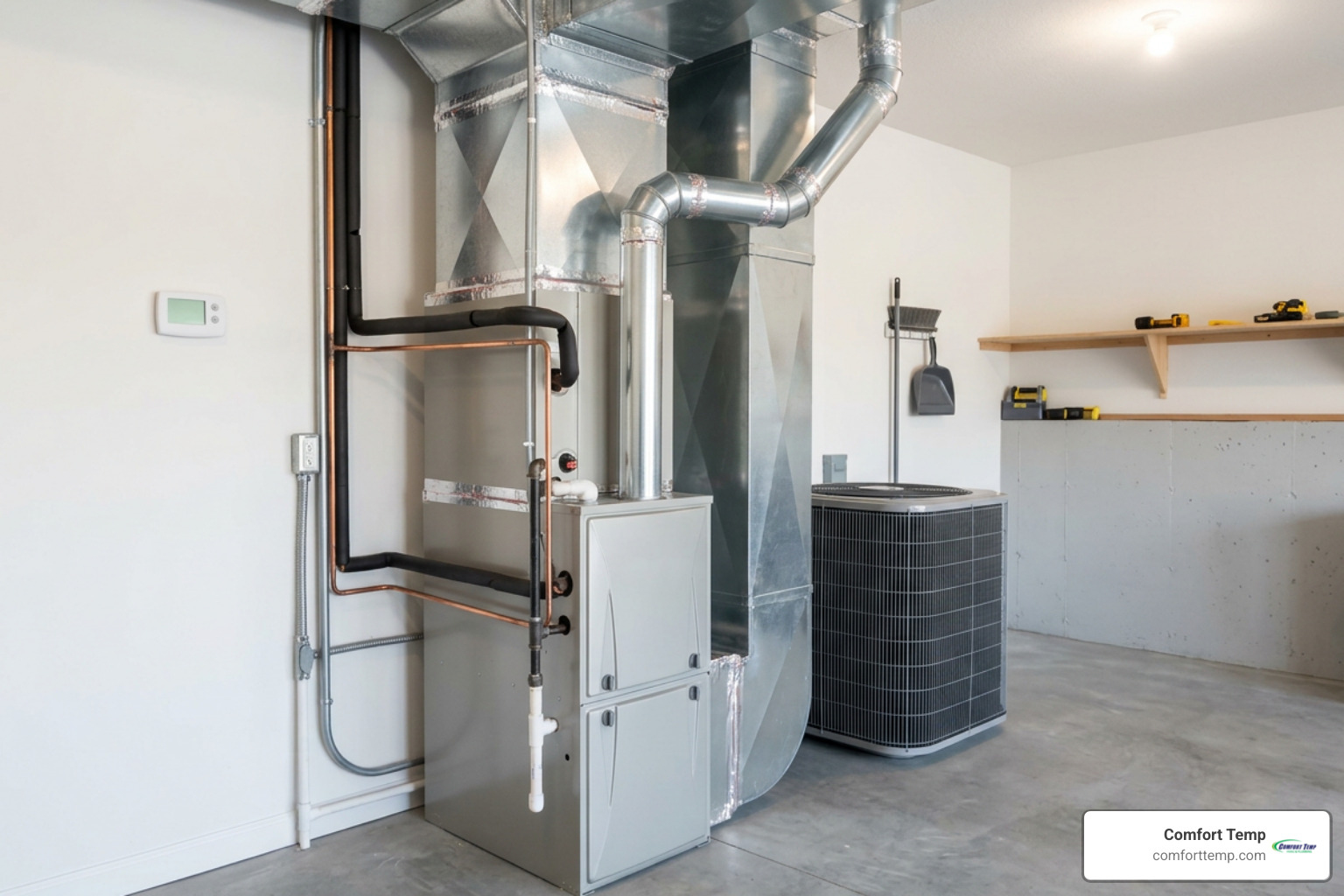
Facing an expensive repair estimate on an older system inevitably brings up the critical question: is it better to fix the current equipment or invest in a brand-new unit? Consult The Complete Guide to Average Furnace & AC Replacement Cost to compare new installation costs against recurring repair bills.
The 50 Percent Rule and the $5,000 Formula
Industry professionals rely on two proven financial guidelines to help homeowners choose between repairing and replacing:
- The 50% Rule: If the total cost of the required repair meets or exceeds 50% of the cost of installing an entirely new heating system, replacement is the financially sound choice.
- The $5,000 Formula: Multiply the exact age of your furnace by the estimated repair cost. If the total exceeds $5,000, replacement provides a better long-term return on investment.
For example, a $700 blower motor replacement on a 4-year-old furnace equals $2,800 (repair it). However, that same $700 repair on an 8-year-old unit equals $5,600, signaling that the equipment is approaching the end of its reliable service life and replacement should be considered.
AFUE Energy Efficiency Ratings and Long-Term Savings
Older heating units typically operate with an Annual Fuel Utilization Efficiency (AFUE) rating of 60% to 70%, meaning 30 to 40 cents of every heating dollar escapes through the flue vent. Modern high-efficiency systems achieve AFUE ratings of 90% to 98%, featuring variable-speed blowers and two-stage gas valves that lower monthly utility bills while maintaining consistent comfort.
Critical Warning Signs Your Furnace Requires Immediate Attention
Catching system failures early prevents minor mechanical issues from escalating into expensive breakdowns. Watch for these warning signs:
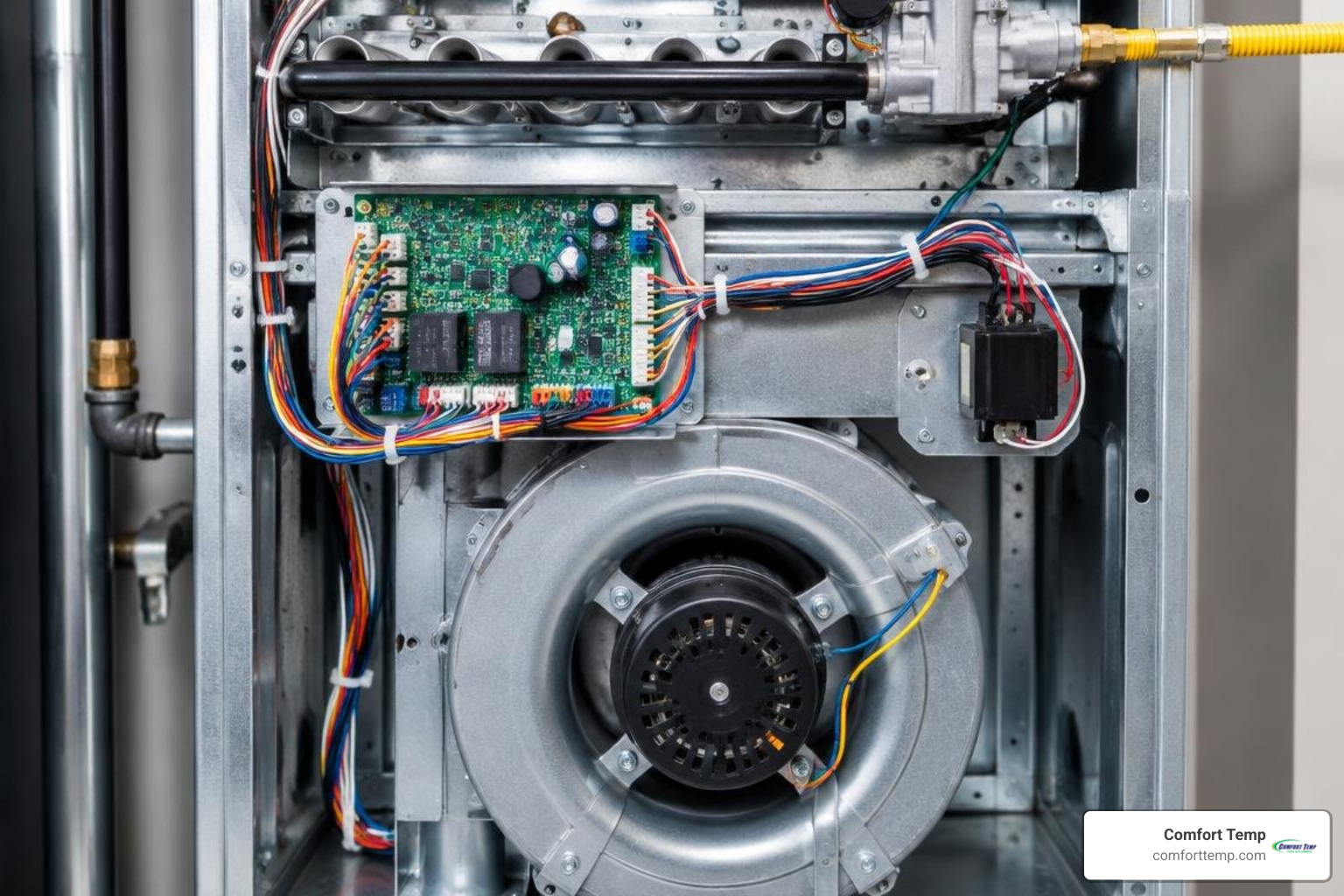
- Uneven Heating and Cold Air: Rooms that stay chilly despite thermostat adjustments often point to failing blower motors, cracked ductwork, or dirty sensors.
- Persistent Short Cycling: If your heating system turns on and shuts down rapidly every few minutes, an overheating heat exchanger or faulty flame sensor is likely tripping internal safety limits.
- Yellow Burner Flame: A healthy gas burner flame burns crisp and blue. A flickering yellow flame indicates incomplete combustion, which produces hazardous carbon monoxide.
- Unusual Noises: Grinding sounds often indicate failing motor bearings, squealing points to worn fan belts, and loud banging upon startup indicates delayed ignition.
- Electrical Burning Odors: Persistent ozone, metallic, or burnt-plastic smells suggest overheating electrical wiring or a stalled motor that requires immediate attention.
Proactive Strategies to Lower Long-Term Heating Costs
The easiest way to minimize heating expenses is preventing breakdowns before they start. Scheduling regular professional furnace servicing optimizes performance, validates manufacturer warranty requirements, and lowers monthly energy consumption.
Essential maintenance steps every homeowner should track include:
- Replacing standard 1-inch filters every 30 to 90 days to maintain healthy airflow.
- Keeping supply vents and return grilles free of furniture and household obstructions.
- Scheduling an annual pre-winter diagnostic tune-up to clean burners and test safety controls.
- Installing a programmable or smart thermostat to avoid unnecessary heating cycles.
- Sealing leaking ductwork to prevent heated air from escaping into unconditioned spaces.
Frequently Asked Questions About Furnace Repair
How long does a standard residential furnace typically last?
A well-maintained gas or electric furnace typically lasts 15 to 20 years. Consistent annual maintenance, regular filter changes, and prompt minor repairs extend equipment lifespan and keep internal safety controls operating correctly.
Does a manufacturer warranty cover all repair expenses?
No. Standard manufacturer warranties cover the cost of defective parts but exclude labor fees, technician diagnostic charges, and expedited shipping. In addition, manufacturers may deny warranty claims if the equipment lacks documentation of regular annual maintenance performed by a licensed professional.
What is the average turnaround time for a furnace repair?
Most minor-to-moderate furnace repairs—such as replacing a flame sensor, igniter, capacitor, or control board—are completed within 1 to 3 hours if common parts are in stock on the service vehicle. Complex jobs, such as replacing a heat exchanger or ordering proprietary OEM parts, may require 1 to 2 business days.
Conclusion
Understanding typical heating repair costs helps you make confident, budget-friendly decisions for your home. When heating trouble strikes, choosing a trusted, licensed contractor ensures transparent pricing, high-quality OEM parts, and reliable workmanship. Comfort Temp provides dedicated HVAC and plumbing services across North Central Florida, delivering prompt 24/7 emergency dispatch and honest service. For dependable residential service in Gainesville and surrounding communities, contact our team today for expert furnace service and repair.