Key Operational Differences: Heat Creation vs Heat Transfer
Understanding the underlying physics behind home heating makes evaluating a furnace heat pump matchup much easier. While both systems ultimately deliver warm air through your ductwork, they rely on completely different mechanical methods to achieve that warmth.
A gas furnace relies on fuel combustion. When your thermostat calls for heat, the system opens a gas valve, ignites natural gas or propane inside a heat exchanger, and blows indoor air across the outside of that superheated metal chamber. The process generates intense heat energy from scratch.
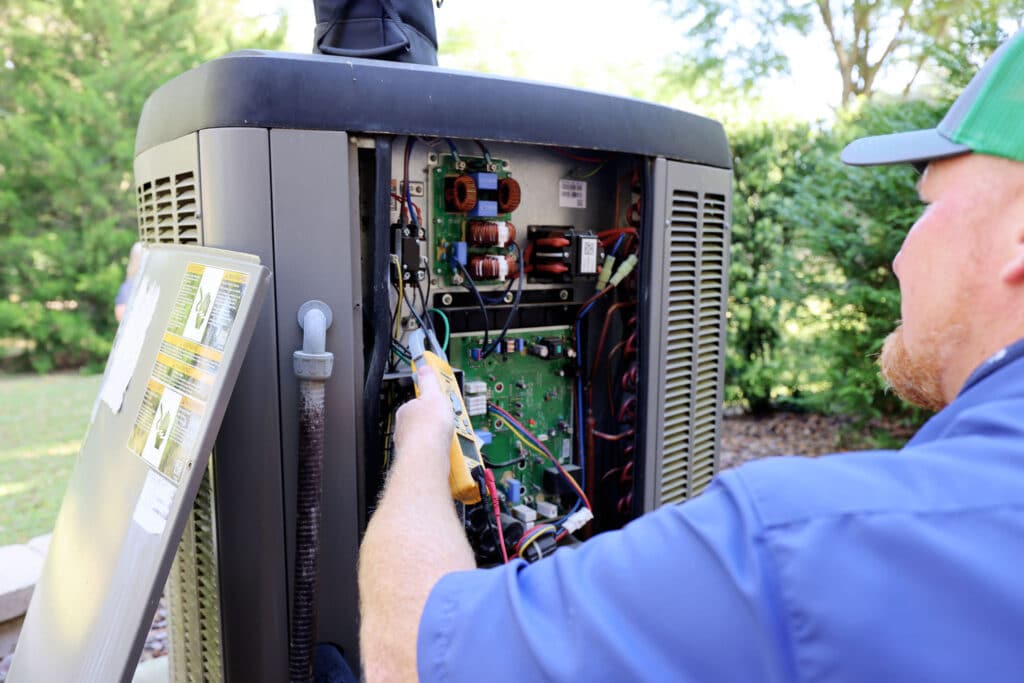
An electric heat pump uses a refrigeration cycle to transfer existing thermal energy. Even in chilly air, ambient heat energy is present. The outdoor unit absorbs this ambient heat into a liquid refrigerant, compresses the gas to increase its temperature, and pumps it to the indoor coil where a blower redistributes that captured warmth throughout your living space.
This functional split affects indoor humidity and airflow feel. Furnaces dry out indoor air rapidly because high heat combustion strips moisture, which can leave a home feeling dry during extended runs. Heat pumps maintain higher relative humidity levels during operation, resulting in a gentler, steady warmth that preserves indoor comfort. While heating systems can be paired with air purification technology to treat airborne contaminants, air purification is a completely separate technology from water purification, which specifically treats drinking and utility water supplies.
How Gas Furnaces Produce Heat
Gas furnaces create high-intensity heat output through controlled combustion. When the system turns on, electronic igniters light burners inside the burner assembly. Burning fuel produces hot combustion gases that travel through a sealed metal heat exchanger.
As air from your living rooms recirculates through the HVAC air handler, it passes over the exterior surfaces of the heat exchanger. The air absorbs heat rapidly before entering your duct network. Standard unit performance is measured by Annual Fuel Utilization Efficiency (AFUE). A 80% AFUE unit converts 80% of its fuel into heat while losing 20% through flue gases, whereas high-efficiency 96% or 97% AFUE units capture almost all fuel energy, yielding lower energy waste. Flue exhaust gases from combustion are safely vented outside through specialized metal or plastic piping.
How Electric Heat Pumps Work
Electric heat pumps function like reversible air conditioners. During warmer months, they remove indoor heat and dump it outside. In winter, a internal reversing valve changes the flow of refrigerant, causing the outdoor coil to absorb ambient environmental heat instead.
Refrigerant flows through the outdoor expansion valve, evaporates into a gas as it extracts heat from outdoor air, and enters an electric compressor. The compressor pressurizes the gas, raising its temperature significantly. This hot refrigerant moves inside to the indoor air handler coil, where the blower fan distributes the heat into your home. You can learn more about these mechanical steps in our deep dive into Watts Up With Heat Pumps A Deep Dive Into Electric Heat Pump Efficiency.
Because heat pumps transfer thermal energy rather than creating it from burning fuel, they can achieve coefficient of performance (COP) ratings above 3.0 in moderate climates—delivering up to three times more heat energy than the electrical energy they consume.
Comparing Furnace Heat Pump Performance and Efficiency
Comparing efficiency between fuel combustion and electric heat transfer involves different rating scales. Furnaces use AFUE percentages, whereas heat pumps use Heating Seasonal Performance Factor (HSPF2) for winter heating and Seasonal Energy Efficiency Ratio (SEER2) for summer cooling.
| Feature / Metric | Gas Furnace | Electric Heat Pump |
|---|---|---|
| Primary Energy Source | Natural gas or propane | Electricity |
| Peak Efficiency Metric | Up to 98.5% AFUE | Up to 10+ HSPF2 / 20+ SEER2 |
| Coefficient of Performance (COP) | Less than 1.0 (0.80 – 0.98) | 2.0 to 4.0+ depending on outdoor air temp |
| Summer Air Conditioning | Requires separate AC unit | Built-in reversible cooling standard |
| Carbon Footprint Impact | Higher direct emissions | 38% to 53% lower home carbon footprint |
Because an electric heat pump transfers existing outdoor thermal energy rather than generating it, operational efficiency in moderate climates far outpaces fossil fuel options.
Modern Furnace Heat Pump Systems and Heat Quality
Beyond bill savings, the sensory experience of a furnace heat pump installation varies noticeably. Gas furnaces supply quick, high-temperature blasts of air (often 120°F to 140°F coming from registers). This delivers rapid room warming, but it can lead to noticeable temperature swings as the system cycles on and off.
Modern heat pumps—especially variable-speed inverter models—supply continuous, low-intensity airflow around 90°F to 100°F. While this supply temperature feels cooler to the touch than furnace air, it maintains very stable room temperatures without sharp hot and cold spikes.
Systems like the Goodman 1.5 Ton 15.2 SEER2 Dual Fuel Heat Pump & Gas Furnace Hybrid System – Modulating Variable-Speed, 60000 BTU Gas Furnace, 97% AFUE, Horizontal, R32 pair high-efficiency gas burners with variable-speed heat pump compressors to balance heat feel, air distribution, and efficiency.
Cold Weather Performance and Climate Limits
A common question among homeowners is whether heat pumps can handle cold winter drops. Standard heat pumps gradually lose heating output as ambient outdoor temperatures fall toward freezing because there is less heat available to extract.
When ambient temperatures hit a system’s thermal balance point (typically between 25°F and 30°F for standard models), supplemental resistance heat coils turn on to assist. Auxiliary electric resistance heating uses significantly more electricity, which reduces overall operating efficiency.
However, modern cold-climate heat pumps feature inverter compressor drives and low-GWP refrigerants (such as R32 or R454B) that sustain efficient output down into sub-zero territory. Brands like those featured on Heat Pumps | Heating and Cooling – Arcoaire deliver high heating capacity even when outdoor conditions drop close to 0°F.
In North Central Florida regions like Gainesville, winter freezes are typically short-lived, making an electric heat pump ideal for winter needs without heavy reliance on auxiliary heat coils.
Dual-Fuel Furnace Heat Pump Combinations
A dual-fuel or hybrid system combines an electric heat pump with a backup gas furnace. In this configuration, the heat pump handles all heating and cooling during mild to moderate weather. When outdoor temperatures drop below a programmed setpoint (e.g., 30°F), the thermostat automatically switches heating duties over to the gas furnace.
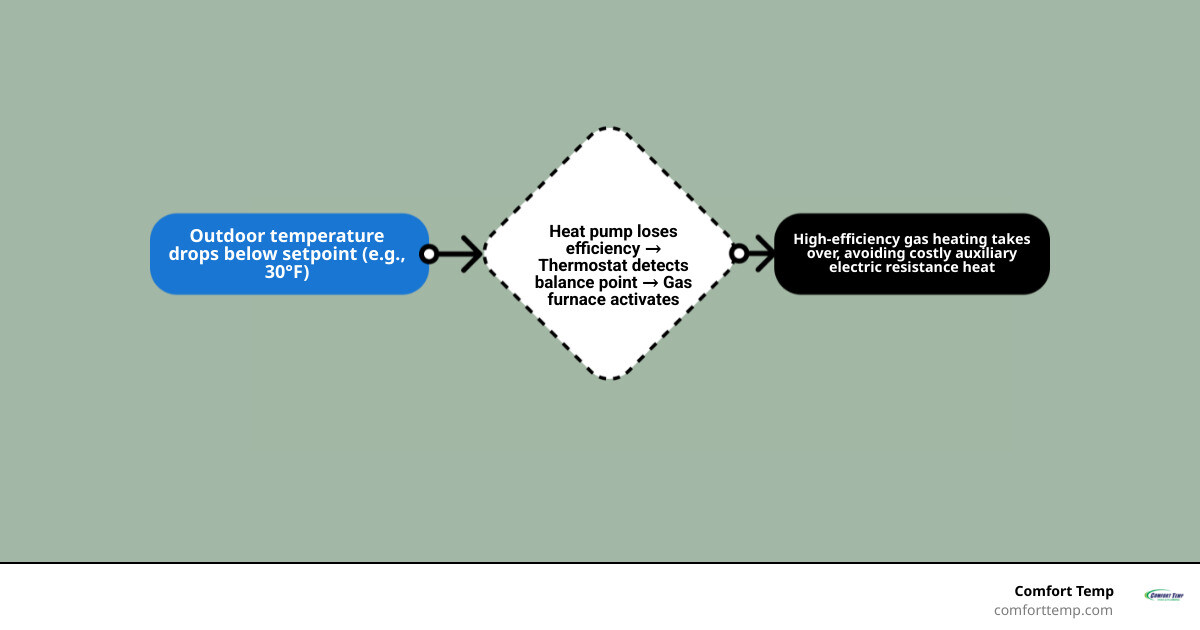
This setup avoids using high-cost auxiliary electric heat strips during sudden cold snaps while leveraging low-cost heat pump operation during standard winter days. To explore how dual-fuel compares with all-electric options, check out The Great Debate Electric Furnace Vs Heat Pump For Home Heating.
System Costs, Lifespan, and Financial Incentives
Selecting a heating and cooling system involves weighing upfront equipment and labor expenses against long-term utility costs and system longevity.

Upfront Installation and Equipment Expenses
Gas furnace replacement costs generally run lower than full heat pump installations if adequate gas lines and flues already exist. A standard gas furnace typically costs between $700 and $3,300 for the equipment alone, with total professional installation costs ranging depending on ductwork and venting requirements.
Complete ducted heat pump installations range from $2,500 to $10,000 for standard systems, and can reach up to $24,000 for high-end, variable-capacity cold-climate models. For detailed pricing breakdowns on replacement systems, review our guides on Heat Pump Replacement Cost and Furnace Installation.
Higher initial heat pump investment costs are often offset by savings from installing a single 2-in-1 system instead of buying a separate furnace and central air conditioner. Federal incentives under the Inflation Reduction Act, alongside utility rebates, also help reduce upfront costs for qualifying high-efficiency heat pumps.
Maintenance Requirements and Expected Lifespan
System longevity differs due to operational demands throughout the year:
- Gas Furnaces: Typically last 15 to 30 years because they only run during cold winter months. Maintenance focuses on gas burner cleaning, heat exchanger safety inspections, filter changes, and flue inspection.
- Heat Pumps: Usually last 10 to 15 years because they run year-round for both summer cooling and winter heating. Annual maintenance involves cleaning indoor and outdoor coils, checking refrigerant levels, inspecting electrical connections, clearing condensate lines, and changing air filters.
According to Department of Energy data, 70% to 90% of heat pump installations suffer from measurable defects—most often due to improper duct sizing or incorrect refrigerant charging. Partnering with trained technicians prevents these issues and ensures long equipment life. For local care details, see our Furnace Service Gainesville Fl Complete Guide.
Frequently Asked Questions About Home Heating Systems
Can a heat pump work effectively in cold weather?
Yes. Modern inverter-driven heat pumps operate efficiently in sub-freezing temperatures, with specialized cold-climate models delivering robust heat output even at -13°F to -22°F. In North Central Florida, standard or variable-speed heat pumps handle winter drops with ease.
Is it cheaper to run a heat pump or a gas furnace?
Operating costs depend on local utility rates for gas versus electricity. In mild to moderate climates, heat pumps are usually cheaper to operate because transferring heat uses less energy than burning fuel. In regions with extremely cold winters or high electricity rates, high-efficiency gas furnaces can be cost-competitive. Combining both in a dual-fuel hybrid system optimizes energy costs year-round.
How long do furnaces and heat pumps typically last?
Gas furnaces generally last 15 to 30 years with routine maintenance. Heat pumps typically last 10 to 15 years due to continuous year-round operation for both heating and cooling. Regular annual inspections help maximize lifespan for both types of equipment.
Conclusion
Choosing between a furnace and a heat pump comes down to your home’s setup, local climate, energy goals, and comfort preferences. For homeowners in North Central Florida, an energy-efficient electric heat pump offers an effective year-round solution for summer air conditioning and winter warmth. In homes with existing gas connections, a dual-fuel hybrid system provides added peace of mind during occasional cold snaps.
Whether you need a new system installation, routine maintenance, or emergency repair, professional service ensures your heating equipment operates safely and efficiently. If you need residential HVAC services in Gainesville or commercial HVAC support in Jacksonville or Orlando, our experienced technicians are available 24/7 to help you choose and maintain the right comfort system for your property.
Ready to upgrade or service your system? Schedule Furnace and Heating Service with Comfort Temp today!